The Ultimate Guide to Choosing the Best Gutter System and Base Materials
A properly installed gutter system starts with the right materials and foundation to ensure efficient water management, prevent structural damage, and extend the life of your home’s exterior. Even high-quality gutters can fail or underperform without a stable base, proper slope, and correct installation.
The primary role of gutters is to collect and channel rainwater away from your home’s roof, foundation, and landscaping. By directing water flow efficiently, gutters prevent water pooling, basement leaks, soil erosion, and damage to siding or landscaping. Properly installed gutters also reduce the risk of ice dams, mold growth, and wood rot.
Selecting the correct gutter system and installation method is crucial for long-term performance. Poorly chosen materials, improper slope, or incorrect installation can lead to leaks, sagging gutters, or costly repairs. With the right gutters, supports, and professional installation, homeowners can enjoy durable, functional, and low-maintenance water management.
What Is a Gutter System Base?
Although gutters are often viewed as simple channels for water, their performance heavily depends on the base and installation structure supporting them. A solid base ensures gutters remain level, resist sagging, and efficiently direct water away from your home. Without a stable foundation, even premium gutters can fail, causing leaks, clogs, and property damage.
Key Functions of a Gutter Base
The foundation of a gutter system serves several essential purposes:
Support: Holds the gutter securely in place, maintaining proper slope and preventing sagging.
Water Flow: Ensures rainwater and runoff drain efficiently into downspouts without pooling.
Durability: Protects the gutter system from bending, detachment, or early wear.
Stability: Supports accessories like gutter guards, heating elements, and downspout extensions.
Typical Gutter Base Materials
Most residential gutter installations combine:
Metal or Wood Fascia: The fascia board is the primary support for the gutter, providing a strong surface to attach hangers or brackets.
Gutter Hangers & Brackets: Secures gutters to the fascia while maintaining the proper slope.
Leveling Materials: Shims or spacers may be used to create a consistent angle for water flow.
A high-quality gutter system depends on the combination of a stable base, durable materials, and professional installation. The right setup ensures the system can handle:
Heavy rain or stormwater runoff
Debris and leaf accumulation
Ice or snow in colder climates
Long-term use without sagging or leaks
Key Layers of a Gutter Installation
Installing a reliable gutter system requires more than just attaching the channels to the house. Understanding the layers of a professional installation helps guarantee efficient water drainage, stability, and long-term durability.
First Layer: Fascia & Supports – Creating a Stable Foundation
The fascia board serves as the foundational layer for your gutter system. Proper preparation involves inspecting the fascia for rot, leveling it, and replacing damaged wood. This layer supports the gutter hangers, brackets, and channels, ensuring gutters remain straight and functional over time.
Second Layer: Gutter Channels – Collect and Direct Water
Gutter channels are attached securely to the base using brackets and hangers. Correct placement and slope are critical for directing water efficiently to downspouts and preventing pooling or overflow. Aluminum, steel, copper, and vinyl are common materials for gutter channels, each offering durability and weather resistance.
Third Layer: Downspouts & Accessories – Final Water Management
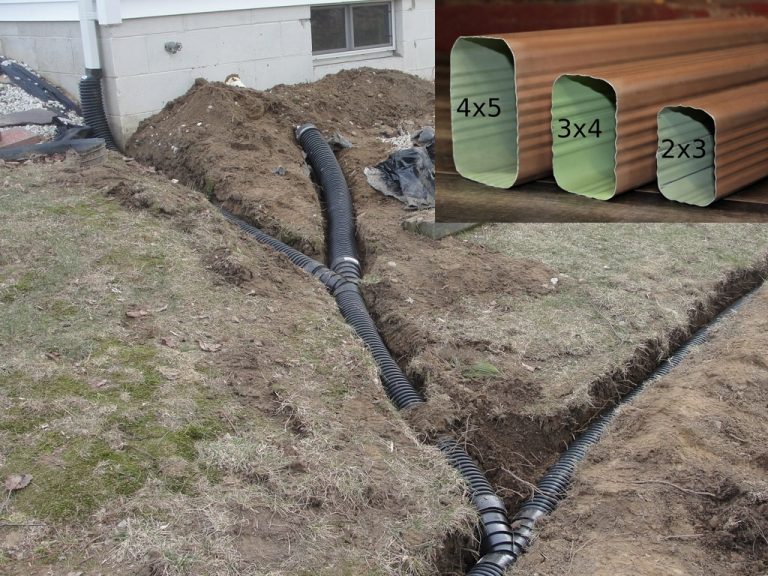
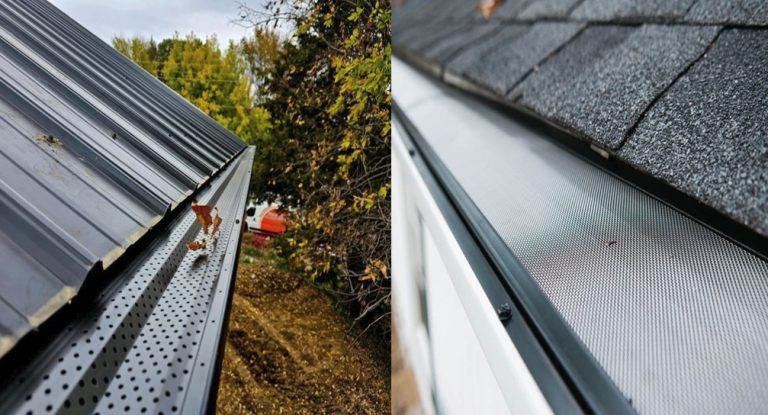
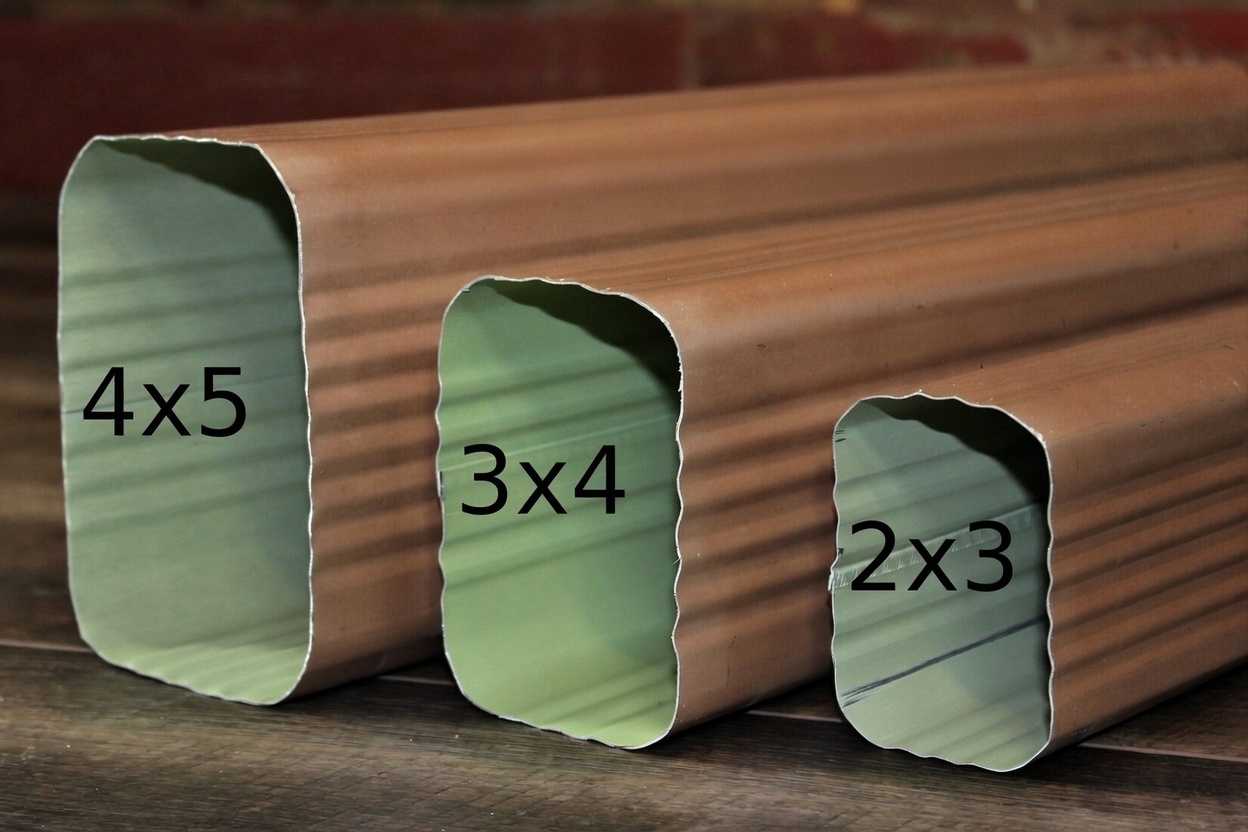
Downspouts, elbows, and extensions complete the system by directing water away from the foundation. Additional accessories like gutter guards or screens help reduce debris buildup and maintenance needs, keeping the system functioning efficiently.
What Is the Best Gutter System for Your Home?
The ideal gutter system depends on your home’s structure, local climate, usage, and budget. While there is no universal solution, selecting the right materials, proper slope, and professional installation guarantees efficient drainage, durability, and minimal maintenance.
Recommended Gutter Materials
Aluminum Gutters: Lightweight, rust-resistant, and affordable; ideal for most residential homes.
Steel Gutters: Extremely durable and strong, suitable for areas with heavy rainfall or snow.
Copper Gutters: Long-lasting and low-maintenance, with a classic aesthetic; higher upfront cost.
Vinyl Gutters: Cost-effective and easy to install; best for low-traffic, moderate-climate homes.
Choosing the right gutter material ensures that your system will withstand weather conditions, manage water flow efficiently, and last for years without sagging or leaking.
How to Prepare the Base for Gutters
Proper preparation of the gutter base is critical for stability, slope, and water management. A poorly prepared base can lead to sagging gutters, leaks, and damage to the home’s exterior.
Steps for Preparing Your Home for Gutter Installation
Inspect and Repair Fascia: Ensure the fascia board is level, structurally sound, and free from rot. Replace damaged sections if needed.
Mark Slope for Water Flow: Establish a gradual slope (typically 1/4 inch per 10 feet) to ensure efficient drainage to downspouts.
Install Brackets and Hangers: Attach hangers securely at appropriate spacing (usually 24–36 inches) to hold gutters in place.
Secure Gutters: Position the channels along the fascia, check alignment, and fasten to brackets. Ensure seamless flow to downspouts.
Add Accessories: Install gutter guards, screens, or splash blocks to enhance performance and reduce maintenance.